
If HBOT Is So Powerful, Why Aren’t More People Using It?
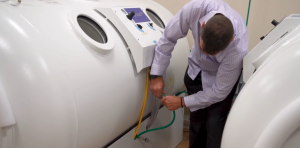
HBOT USA has been a leading voice in educating both the public and medical professionals about hyperbaric oxygen therapy (HBOT), yet one question keeps coming up: if HBOT has so many demonstrated benefits and decades of research behind it, why is it still so unfamiliar to most people?
Hyperbaric Oxygen Therapy involves breathing pure oxygen in a pressurized environment. At first glance, it seems like a simple procedure, but its effects on the body are profound. From supporting cellular function to enhancing recovery and performance, HBOT has applications in medical, athletic, and wellness settings. Yet despite this potential, the therapy remains underused, misunderstood, and often overlooked.
This gap between what HBOT can do and how widely it is applied is not accidental. There are structural, educational, and practical reasons why HBOT has struggled to gain mainstream adoption. Exploring these reasons provides insight into where the therapy stands today and what the future could look like for broader acceptance.
The first and perhaps most obvious reason HBOT is underutilized is that many people have never even heard of it. Those who have often associated it exclusively with diving accidents or hospital emergency care. Rarely is HBOT presented as a tool for general wellness, athletic support, or broader medical applications.
Medical education plays a large role in this awareness gap. Most physicians and healthcare professionals receive little to no formal training on hyperbaric oxygen therapy during medical school or residency. Without exposure in training, HBOT often does not come up in clinical discussions.
If doctors and healthcare providers are unfamiliar with HBOT, it is unlikely they will recommend it. This lack of exposure trickles down to patients, who rarely ask about it or seek it out independently. Even in the age of information, awareness is the first barrier to wider adoption.
Another key factor in HBOT’s limited use is insurance coverage. While HBOT is approved for certain conditions, most applications fall outside insurance reimbursement guidelines. This limits access for patients and creates a barrier for clinics considering adding HBOT to their services.
For medical providers, investing in a hyperbaric chamber is not a small decision. It requires not only the purchase of expensive equipment but also staff training, safety protocols, and ongoing maintenance. If reimbursement is inconsistent or unavailable, the financial risk can be daunting, leading many clinics to forego offering HBOT altogether.
Consequently, most HBOT services are found in private clinics rather than large hospital systems. While these clinics provide high-quality care, they are less visible to the public and can appear specialized or niche, reinforcing the perception that HBOT is inaccessible.
Many people assume that HBOT is extreme or inherently risky. Concerns about oxygen toxicity, pressure exposure, or oxidative stress are often cited as reasons to avoid the therapy. While these risks are real, they are well understood and manageable when HBOT is applied with proper protocols and professional oversight.
Central nervous system oxygen toxicity and pulmonary oxygen toxicity are two of the most discussed concerns. These conditions occur under specific circumstances and are largely preventable with proper monitoring. Likewise, oxidative stress is often misunderstood. While excessive oxidation can negatively affect the body, controlled oxidative signaling actually plays a vital role in cellular adaptation and response.
Understanding these nuances is essential. Without clear education, fear of risk can overshadow the potential benefits, slowing adoption and limiting awareness.
Perhaps the most important factor in HBOT’s underuse is the lack of standardized education for both providers and patients. Using a hyperbaric chamber safely requires understanding physiology, session protocols, contraindications, and proper monitoring. Without this foundation, providers may hesitate to adopt HBOT, and patients may avoid it due to uncertainty.
Structured education helps bridge this gap. Learning the basics of hyperbaric oxygen therapy—how pressure affects oxygen delivery, optimal session length, and safety considerations—empowers both providers and patients to approach HBOT confidently.
New to HBOT? Learn to use it safely and effectively with our basic course that covers everything you need to get started:
https://www.thehbotcourse.com/textbook2024?utm_source=youtube&utm_medium=description&utm_campaign=B10V10
Programs that include in-depth protocols and evidence-based guidance allow providers to apply HBOT responsibly while optimizing outcomes. Education also helps combat misconceptions and highlights the versatility of HBOT beyond the narrow indications often cited in insurance guidelines.
Even providers interested in HBOT often hesitate because they are unsure how to integrate it into their existing practice. Questions about workflow, staffing, liability, and cost can feel overwhelming.
This hesitation is rarely about doubting HBOT’s effectiveness. It is often about uncertainty in execution. Investing in training, understanding protocols, and ensuring compliance requires time and resources. For many clinicians, without clear guidance or mentorship, HBOT adoption can seem more challenging than it needs to be.
Practical guidance can make a significant difference. Providers who understand the steps to implement HBOT responsibly and sustainably are far more likely to offer it, which in turn improves patient access and raises awareness about its benefits.
Practitioners looking to expand their services can also benefit from strategic insights. Grab the FREE eBook that explains how integrating hyperbaric chambers can support practice growth:
thehbotcourse.com/free-ebook?utm_source=youtube&utm_medium=description&utm_campaign=B10V10
Certification programs are essential for establishing credibility, safety, and consistency. They ensure providers understand not only how to operate hyperbaric chambers but also the underlying physiology, session planning, and patient management.
Certified practitioners can answer questions confidently, address safety concerns, and adapt protocols based on patient needs. This level of knowledge builds trust and credibility, which is crucial for wider adoption.
If you are serious about implementing HBOT properly and safely, certification is a critical step:
https://www.thehbotcourse.com/courses?utm_source=youtube&utm_medium=description&utm_campaign=B10V10
While the research on HBOT continues to expand, academic studies alone are not enough to drive adoption. Long-form education—books, comprehensive courses, and detailed resources—translates research into practical understanding.
Resources such as The Art And Science Of Hyperbaric Medicine and Oxygen Under Pressure provide deeper insight into the mechanisms, history, and applications of HBOT. They help providers and patients understand how and why the therapy works, offering context that research papers alone cannot convey.
As more providers engage with long-form education, confidence in using HBOT increases. This not only improves the quality of care but also encourages broader acceptance in medical practice.
For HBOT to become more widely used, several factors must align. Public and professional education needs to expand. Certification and standardized protocols must be emphasized. Insurance coverage may need to evolve, and conversations about safety should be evidence-based rather than fear-driven.
The good news is that these changes are already in motion. More clinics are offering HBOT, more professionals are seeking certification, and patients are increasingly asking informed questions. Awareness is slowly spreading, and as knowledge grows, adoption will naturally increase.
It is important to remember that HBOT is not a substitute for medical care. The therapy should be applied under proper guidance, with ongoing monitoring and collaboration with healthcare providers.
Dr. Sonners does not provide diagnoses or medical advice online. The goal is to educate and empower individuals and professionals to make informed decisions about their health in collaboration with trusted providers.
If you would like to learn more or set up a consultation, you can reach out directly at support@hbotusa.com.
Understanding why HBOT is underused clarifies what needs to happen for it to reach its potential. Education, proper certification, and accessible guidance are key. Providers who invest in these areas can offer safe, effective protocols, and patients who seek knowledge will be better positioned to make informed choices.
As awareness grows and standards improve, HBOT has the opportunity to move from a specialized therapy to a mainstream component of wellness and clinical care. The barriers are not insurmountable; they require focused effort, clear communication, and ongoing education.
By addressing these challenges, both providers and patients can fully appreciate the value HBOT offers, unlocking its potential benefits while maintaining safety and consistency. The journey toward widespread acceptance is underway, and informed engagement from both the medical community and the public is critical to its success.
Hyperbaric oxygen therapy has much to offer, but its story is still unfolding. Understanding the barriers, addressing misconceptions, and embracing structured education will shape the future of this powerful modality. The more people learn, the more it can become a routine part of modern wellness and recovery strategies.
#HyperbaricOxygenTherapy #HBOTUSA #HBOT #HBOTNewJersey #NJHBOT #HBOTNJ
Our professional staff is here to answer any questions or concerns you may have. Call: 833-620-8100
Mon-Fri: 9am-7pm
Sat: 9am-2pm
17 Hanover Rd #300
Florham Park, NJ 07932
833-620-8100
support@hbotusa.com

 Choosing the Right HBOT Pressure