
Choosing the Right HBOT Pressure
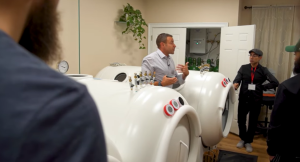
In the world of hyperbaric oxygen therapy, one of the most common and misunderstood questions is about pressure. Many people assume that higher pressure automatically means better results, but that is not how HBOT works in real practice. At HBOT USA, education is a cornerstone of what we do, and understanding pressure selection is one of the most important factors in using hyperbaric chambers safely, effectively, and responsibly.
Whether you are new to HBOT, a practitioner integrating chambers into your practice, or someone exploring hyperbaric oxygen for overall wellness, choosing the right pressure can make a meaningful difference in comfort, outcomes, and consistency.
Understanding What HBOT Pressure Really Means
Hyperbaric oxygen therapy works by increasing the amount of oxygen delivered to the body under increased atmospheric pressure. Pressure is measured in ATA, or atmospheres absolute. Normal atmospheric pressure at sea level is 1.0 ATA. Most hyperbaric sessions range anywhere from slightly above this level to significantly higher pressures, depending on the chamber type and the intended application.
Pressure determines how much oxygen is dissolved into the plasma and how deeply oxygen can diffuse into tissues. However, more pressure does not automatically equal better results. In fact, using pressure that is too high for the individual or the goal can lead to discomfort, poor tolerance, or diminishing returns.
Why There Is No One Size Fits All Pressure
One of the biggest misconceptions about HBOT is that there is a universal “best” pressure. The reality is that optimal pressure varies based on several factors, including the tissues being targeted, the person’s overall health, and how their body responds to pressure changes.
Different tissues respond differently to oxygen delivery. Neurological tissue, connective tissue, and areas affected by long standing inflammation all have unique oxygen demands. What works well for one goal may not be appropriate for another.
Tolerance also matters. Some individuals adapt easily to higher pressures, while others feel better and respond more consistently at lower settings. Sustainable results often come from using a pressure that the body can handle comfortably over repeated sessions rather than pushing to the highest number possible.
Pressure and Neurological Support
When HBOT is used as part of a neurological support strategy, pressure selection becomes especially nuanced. Brain tissue is highly sensitive to oxygen changes. Lower to moderate pressures are often used to support oxygen delivery without overwhelming the system.
At these pressures, oxygen can reach areas with reduced blood flow and support cellular processes that rely on adequate oxygen availability. Many practitioners find that consistency and tolerance are more important than intensity when working with neurological goals.
Sessions that feel manageable and repeatable often provide more value over time than sessions that push pressure limits but are difficult to maintain.
Pressure and Tissue Repair Goals
For goals related to tissue integrity, circulation, or recovery from physical stress, moderate pressures are commonly explored. These pressures allow oxygen to penetrate areas where circulation may be compromised while still remaining within a range that most people tolerate well.
The key here is matching pressure to the depth and type of tissue involved. Superficial tissues may not require the same pressure levels as deeper structures. Using appropriate pressure helps ensure oxygen delivery is targeted rather than excessive.
Pressure and Chronic Inflammation Considerations
Chronic inflammation is complex and multifactorial. Oxygen plays a role in cellular signaling, immune balance, and metabolic processes, but more oxygen under higher pressure is not always the best approach.
Many people with chronic inflammatory patterns respond better to lower or moderate pressures that can be repeated consistently. These pressures may support cellular oxygen availability while minimizing stress on the nervous system.
The goal is to create an environment where the body can adapt and respond positively, rather than forcing a response through intensity alone.
Pressure and General Wellness Applications
For individuals pursuing HBOT as part of a broader wellness routine, comfort and sustainability are critical. Lower pressures are often chosen for general wellness sessions, especially when the goal is supporting energy levels, cognitive clarity, or overall physiological resilience.
Lower-pressure sessions are typically easier to tolerate, especially for those new to hyperbaric chambers. They also allow for more frequent use, which can be an important factor when HBOT is integrated into long-term wellness strategies.
Why Higher Pressure Is Not Always Better
It is easy to assume that higher pressure means more oxygen and, therefore, better outcomes. While it is true that pressure increases oxygen availability, the body still needs to utilize that oxygen effectively.
At excessively high pressures, some people experience discomfort, ear pressure challenges, fatigue, or difficulty completing sessions. If sessions are skipped or cut short due to discomfort, overall consistency suffers.
The most effective HBOT programs prioritize the lowest pressure that achieves the desired effect while maintaining comfort and repeatability.
Individual Tolerance Matters More Than Numbers
Two people using the same chamber at the same pressure can have very different experiences. Factors such as sinus health, inner ear sensitivity, nervous system balance, and previous exposure to pressure all influence tolerance.
Listening to the body is essential. Signs such as headaches, excessive fatigue, or difficulty equalizing pressure may indicate that adjustments are needed. Working with knowledgeable professionals allows pressure to be fine-tuned over time rather than locked into a fixed setting.
Education plays a major role here. Understanding what different pressure ranges do empowers individuals and practitioners to make informed decisions rather than relying on assumptions.
Soft Chambers vs Hard Chambers and Pressure Differences
The type of chamber being used also influences pressure selection. Soft chambers typically operate at lower pressures, while hard chambers are capable of reaching higher levels.
Lower pressure does not mean lower value. Soft chambers can still provide meaningful oxygen delivery and are often chosen for home use, wellness applications, and gradual adaptation. Hard chambers offer more pressure flexibility but also require more oversight and experience.
Choosing the right chamber and pressure combination should always align with the user’s goals, experience level, and support system.
Why Proper Training and Certification Matter
One of the recurring themes in HBOT is that knowledge matters. Pressure selection should never be guesswork. Proper education helps practitioners and users understand how pressure, oxygen concentration, session length, and frequency work together.
If you are a practitioner or plan to integrate hyperbaric chambers into your practice, getting certified is essential. Learning how to use HBOT properly, safely, and effectively protects both you and the people you serve.
Educational resources such as certification programs, foundational courses, and textbooks provide the framework needed to make informed pressure decisions rather than relying on trial and error.
Building a Thoughtful HBOT Protocol
Pressure is just one piece of an effective hyperbaric protocol. Session duration, frequency, oxygen delivery method, and individual response all matter. The best protocols evolve over time based on feedback and observed results.
Starting at a conservative pressure and adjusting gradually allows the body to adapt. This approach often leads to better long-term outcomes than jumping immediately to higher settings.
HBOT is not about extremes. It is about precision, consistency, and alignment with individual needs.
Working With Qualified Providers
HBOT should always be used as part of a broader, well-monitored wellness or clinical plan. While educational content can help people understand their options, pressure selection should be discussed with qualified providers who can monitor progress and adjust protocols as needed.
This is especially important for individuals with complex health histories or those combining HBOT with other interventions. Collaboration ensures that HBOT supports overall well-being rather than becoming an isolated or misapplied tool.
Education Without Medical Claims
It is important to clarify that educational content around HBOT pressure is not medical advice. Dr. Sonners and HBOT USA do not diagnose or prevent medical conditions online. Instead, the goal is to help people better understand hyperbaric oxygen therapy and how it can be used responsibly as part of a broader health strategy.
Anyone considering HBOT should work closely with their own provider to monitor health status, medications, and overall response.
Continuing Your HBOT Education
If you are new to HBOT and want to learn how to use it safely and effectively, foundational courses can provide the knowledge needed to get started with confidence. For practitioners, advanced training and certification offer deeper insight into protocol development and pressure selection.
There are also excellent textbooks available that explore both the science and practical application of hyperbaric medicine, helping bridge the gap between theory and real world use.
HBOT is a powerful tool when used correctly, and pressure selection is one of the most important variables to understand.
Taking the Next Step With HBOT USA
Choosing the right HBOT pressure is not about chasing numbers. It is about understanding physiology, respecting individual differences, and applying knowledge with intention.
If you want to learn more about hyperbaric oxygen therapy, proper pressure use, or professional education opportunities, you can explore the resources available through HBOT USA. You may also set up a consultation by sending an email to support@hbotusa.com to discuss your questions in more detail.
When HBOT is approached with education, precision, and respect for individual needs, it becomes a valuable part of a well-rounded wellness and professional practice strategy.
Our professional staff is here to answer any questions or concerns you may have. Call: 833-620-8100
Mon-Fri: 9am-7pm
Sat: 9am-2pm
17 Hanover Rd #300
Florham Park, NJ 07932
833-620-8100
support@hbotusa.com

 Feeling Burned Out As A Clinic Owner? Here’s Why