
Can Hyperbaric Oxygen Therapy Lower Your Blood Pressure?
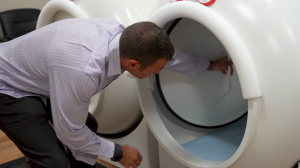
The answers are not as simple as yes or no. Hyperbaric oxygen therapy influences the body in multiple ways, and its effects on blood pressure can be different in the short term compared to the long term. Understanding these differences is key to making informed decisions and setting realistic expectations.
In this article, we will explore how HBOT interacts with blood pressure, what happens during a session, what changes may occur over time, and how to approach this therapy safely and effectively.
Blood pressure is the force of blood pushing against the walls of your arteries as your heart pumps. It plays a critical role in delivering oxygen and nutrients throughout the body.
When blood pressure is consistently elevated, known as hypertension, it can increase the risk of heart disease, stroke, kidney issues, and other complications. Many people manage hypertension with medications, lifestyle changes, or a combination of both.
However, even with proper management, some individuals continue to look for additional ways to support healthy circulation and vascular function. This is where therapies like HBOT come into the conversation.
Hyperbaric oxygen therapy involves breathing oxygen in a pressurized chamber. This environment allows oxygen to dissolve more efficiently into the bloodstream, reaching tissues at higher concentrations than under normal conditions.
Instead of relying solely on red blood cells, oxygen is carried through plasma, which allows it to reach areas with limited circulation. This increased oxygen availability can influence several physiological processes, including vascular function, inflammation, and cellular energy production.
Because blood pressure is closely tied to how blood vessels function, it makes sense to explore how HBOT may affect this system.
One of the most important distinctions to understand is that HBOT affects blood pressure in two different ways:
These two phases can produce very different responses in the body.
During a hyperbaric oxygen session, the body experiences an increase in oxygen levels along with exposure to increased atmospheric pressure. This combination can lead to temporary physiological changes.
One of the immediate responses to high oxygen levels is vasoconstriction, which means the blood vessels narrow slightly. At first glance, this might sound concerning, especially for someone with high blood pressure.
However, this process is part of how the body regulates oxygen delivery. Because there is more oxygen available in the bloodstream, the body does not need to maintain the same level of blood flow to deliver it.
As a result, even though vessels constrict slightly, tissues can still receive adequate oxygen. This can actually improve efficiency in oxygen delivery.
Some individuals may experience a mild, temporary increase in blood pressure during a session due to this vasoconstriction. This effect is generally short-lived and resolves after the session ends.
For most people, these changes are well tolerated when HBOT is administered properly. This is why monitoring and proper protocols are important, especially for individuals with existing cardiovascular concerns.
This is one reason why HBOT should always be conducted under the guidance of trained professionals. Monitoring ensures that any temporary changes are managed appropriately and that the therapy is delivered safely.
While short-term effects are important to understand, the long-term impact of HBOT is where much of the interest lies, especially for individuals with hypertension.
Over time, repeated sessions may influence the body in ways that support healthier vascular function.
The endothelium is the inner lining of blood vessels, and it plays a key role in regulating blood pressure. Healthy endothelial function allows vessels to expand and contract as needed.
Research suggests that increased oxygen availability may support endothelial health. Over time, this may contribute to improved flexibility in blood vessels, which is an important factor in maintaining balanced blood pressure.
Nitric oxide is a molecule that helps blood vessels relax and expand. It plays a critical role in regulating blood pressure.
HBOT has been studied for its potential influence on nitric oxide pathways. Supporting these processes, it may contribute to better vascular responsiveness over time.
Chronic inflammation and oxidative stress can contribute to hypertension. HBOT has been explored for its potential role in modulating these factors, which may indirectly support cardiovascular health.
Improved oxygen delivery may also support microcirculation, which involves the smallest blood vessels in the body. Better microcirculation can enhance overall tissue health and reduce strain on the cardiovascular system.
These long-term adaptations do not happen overnight. They require consistent sessions and should be viewed as part of a broader strategy rather than a quick fix.
Safety is one of the most common concerns, and understandably so. The idea of entering a pressurized environment can raise questions for individuals with high blood pressure.
In general, HBOT is considered safe when administered correctly and under proper supervision. However, individual factors must always be taken into account.
Anyone with hypertension should consult with their healthcare provider before starting HBOT. This ensures that the therapy aligns with their current treatment plan and that any necessary precautions are taken.
Not all HBOT protocols are the same. Pressure levels, session duration, and frequency can be adjusted based on the individual’s needs and health status.
Professional monitoring allows for adjustments if needed and ensures that the individual remains comfortable and stable throughout the session.
A typical session lasts between 60 and 90 minutes. During this time, you sit or lie in a chamber while oxygen levels and pressure are gradually increased.
You may feel a sensation of pressure in your ears, similar to what you experience during air travel. This is normal and can be managed easily.
Most people find the experience relaxing. Some even use the time to rest or listen to audio content.
The number of sessions varies depending on the goals and the protocol being followed.
HBOT is often part of a broader approach to supporting health. When it comes to blood pressure, this is especially important.
Other supportive strategies may include:
When combined with these lifestyle factors, HBOT may contribute to a more comprehensive approach to cardiovascular support.
For practitioners interested in offering HBOT, proper training is essential.
Get certified and learn how to use HBOT properly, safely, and effectively:
https://www.thehbotcourse.com/courses
New to HBOT? Start with the foundational course here:
https://ytlnk.com/z7LrQLy
Already running a clinic? Access a free safety and compliance checklist:
https://www.thehbotcourse.com/hbot-co
For a deeper understanding of how HBOT works, the book Oxygen Under Pressure provides valuable insights into its mechanisms and applications.
It’s important to approach HBOT with realistic expectations. While it may support certain aspects of vascular function, it is not a replacement for medical care or prescribed treatments.
Some individuals may notice improvements in how they feel over time, while others may experience more gradual changes.
Consistency plays a major role. The effects of HBOT build over repeated sessions and are influenced by overall lifestyle and health habits.
So, can hyperbaric oxygen therapy lower your blood pressure? The answer is nuanced.
In the short term, HBOT may cause temporary changes due to how the body responds to increased oxygen levels. Over the long term, consistent sessions may support processes that contribute to healthier vascular function.
Rather than focusing on a single outcome, it’s more helpful to view HBOT as a tool that may support the body’s internal environment when used appropriately.
Whether you are a practitioner or someone exploring options for managing blood pressure, understanding how HBOT works is the first step. From there, working with qualified professionals and maintaining a comprehensive approach can help you make informed decisions.
Disclaimer: Dr. Sonners does not diagnose, treat, or prevent any medical conditions online. This content is for informational purposes only and does not provide medical advice, diagnosis, or treatment. Always consult with your healthcare provider regarding your health, medications, and any therapies you are considering.
Our professional staff is here to answer any questions or concerns you may have. Call: 833-620-8100
Mon-Fri: 9am-7pm
Sat: 9am-2pm
17 Hanover Rd #300
Florham Park, NJ 07932
833-620-8100
support@hbotusa.com

 Can HBOT Help With Fibromyalgia and Chronic Fatigue?