
Can HBOT Help Recover From Radiation Damage?
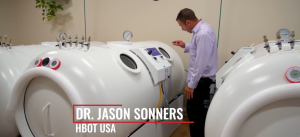
Radiation exposure can leave lasting effects on the body long after cancer care or medical imaging ends. For individuals searching for supportive strategies to improve quality of life after radiation, hyperbaric oxygen therapy (HBOT) has become an area of growing interest. At HBOT USA, education around safe, responsible, and evidence-informed use of hyperbaric oxygen continues to expand as more people look for structured recovery options guided by trained professionals.
If you or someone you care about is navigating the long-term impact of radiation damage, understanding how HBOT fits into comprehensive recovery protocols can help you make informed decisions. This article explores what radiation damage looks like, why oxygen delivery matters, where HBOT may play a role, and what realistic, responsible protocols often involve.
Radiation is commonly used in cancer care to target abnormal cells, but it does not exclusively affect diseased tissue. Healthy cells in the surrounding area can also be impacted, especially when radiation is administered over multiple sessions.
One of the most significant challenges with radiation damage is that its effects may not appear immediately. In many cases, symptoms develop months or even years after radiation exposure has ended. This delayed onset often leaves people confused about why certain issues persist or worsen over time.
Radiation damage frequently affects blood vessels, connective tissue, and cellular oxygen exchange. When microcirculation is disrupted, tissues may receive less oxygen and fewer nutrients, which can slow natural regeneration processes. This can contribute to ongoing discomfort, reduced tissue flexibility, nerve sensitivity, and decreased overall function in the affected area.
Commonly reported concerns associated with radiation damage include skin changes, fibrosis, persistent inflammation, nerve irritation, digestive complications, oral health issues following head and neck radiation, and pelvic discomfort after prostate or gynecologic radiation. These effects vary widely depending on the radiation site, dosage, and individual physiology.
Oxygen plays a foundational role in cellular metabolism, tissue maintenance, immune signaling, and vascular function. When tissue has limited oxygen availability, normal biological processes can become less efficient.
Radiation exposure can damage capillaries and small blood vessels, reducing their ability to deliver oxygen consistently. Over time, this may lead to a hypoxic environment where tissue struggles to maintain itself. Reduced oxygen levels can also affect collagen production, nerve signaling, and inflammatory regulation.
This is one reason why therapies that focus on improving oxygen delivery have gained attention in post-radiation support strategies. Rather than targeting symptoms alone, these approaches aim to address the underlying oxygen limitations that may contribute to persistent issues.
Hyperbaric oxygen therapy involves breathing concentrated oxygen inside a pressurized chamber. Under these conditions, oxygen dissolves more efficiently into the bloodstream and plasma, allowing higher levels of oxygen to circulate throughout the body.
Unlike standard oxygen therapy delivered through a mask or nasal cannula, HBOT increases atmospheric pressure in addition to oxygen concentration. This combination allows oxygen to reach areas with compromised circulation more effectively.
HBOT sessions are typically conducted in either monoplace chambers, which accommodate one person, or multiplace chambers, which hold several individuals at once. Session length, pressure levels, and frequency vary depending on the individual’s goals and the protocol designed by trained providers.
HBOT is not positioned as a standalone solution for radiation damage. Instead, it is often integrated into broader recovery frameworks that may include medical oversight, nutritional support, physical therapy, and lifestyle modifications.
In post-radiation contexts, HBOT is frequently explored for its ability to increase tissue oxygen availability, support angiogenesis, and encourage cellular activity in areas affected by radiation exposure. Improved oxygen delivery may help support tissue quality, comfort, and function over time when used appropriately.
Research and clinical observations have examined HBOT in relation to radiation-induced soft tissue injury, osteoradionecrosis, cystitis, proctitis, and delayed wound response. While outcomes vary between individuals, structured protocols supervised by trained professionals remain central to responsible use.
One of the most important conversations around HBOT and radiation damage involves expectations. HBOT is not a quick fix, and it does not override the need for comprehensive medical care.
Most protocols involve multiple sessions spread over weeks or months. Consistency matters, and results are often gradual rather than immediate. Individuals may notice changes in comfort, tissue resilience, or function over time rather than dramatic shifts after a single session.
Progress is influenced by several factors, including overall health, nutrition, hydration, sleep quality, underlying conditions, and how well the protocol is tailored to the individual. This is why professional guidance and ongoing monitoring are essential components of responsible HBOT use.
As interest in HBOT continues to grow, so does the importance of proper education and certification. Not all hyperbaric chambers are used the same way, and incorrect pressure settings, session lengths, or oxygen concentrations can reduce effectiveness or increase risk.
Programs like the HBOT certification course offered through The HBOT Course focus on helping practitioners and individuals understand how to use hyperbaric oxygen safely, ethically, and effectively. These courses cover chamber mechanics, protocol development, contraindications, and integration into broader wellness strategies.
For individuals considering HBOT, working with trained providers who understand both the science and practical application of hyperbaric oxygen is a critical step in creating a responsible plan.
Chronic inflammation is a common theme in radiation-affected tissue. When inflammation becomes persistent, it can interfere with mobility, nerve signaling, and overall tissue comfort.
HBOT has been studied for its influence on inflammatory pathways and oxidative balance. By improving oxygen availability, HBOT may support more efficient cellular signaling and metabolic activity, which can contribute to improved tissue environment over time.
It is important to note that inflammation is a complex biological process influenced by diet, stress, sleep, microbiome health, and environmental exposures. HBOT is often most effective when combined with lifestyle strategies that support inflammatory balance rather than used in isolation.
Radiation exposure can impair angiogenesis, the process through which new blood vessels form. This can leave tissue more fragile and less resilient.
HBOT is associated with increased oxygen gradients that may encourage vascular signaling and capillary development in compromised tissue. Improved microcirculation can support nutrient delivery and waste removal, which are essential for tissue maintenance.
This vascular component is one reason HBOT is sometimes explored for areas where radiation has caused long-term circulation challenges, such as the jaw, pelvic region, or skin.
When radiation affects areas near nerves or the central nervous system, individuals may experience changes in sensation, coordination, or cognitive clarity. Oxygen availability plays a significant role in neural metabolism and mitochondrial function.
HBOT has been studied in various neurological contexts due to its influence on oxygen delivery to neural tissue. While individual experiences vary, improved oxygen availability may support neural signaling efficiency and metabolic balance over time when used as part of a comprehensive approach.
As with all neurological considerations, HBOT should be approached cautiously and under professional guidance, particularly for individuals with seizure history or other neurological conditions.
HBOT works best when it complements other foundational health practices. Nutrition rich in antioxidants, adequate protein intake, hydration, and micronutrient balance all influence how the body responds to increased oxygen exposure.
Sleep quality and stress management also play major roles in recovery capacity. Chronic stress can impair oxygen utilization and vascular function, potentially limiting the benefits of HBOT if left unaddressed.
Functional medicine approaches often emphasize identifying and addressing underlying contributors to tissue stress, such as metabolic dysfunction, hormonal imbalance, or environmental toxin exposure. When aligned properly, HBOT can fit into these broader strategies in a supportive way.
HBOT is generally well tolerated when used appropriately, but it is not suitable for everyone. Certain conditions, such as untreated pneumothorax, specific lung disorders, or uncontrolled seizure disorders, may require caution or exclusion.
Pressure changes can affect ears and sinuses, which is why proper equalization techniques and gradual pressure adjustments are essential. Working with experienced professionals helps reduce risk and ensures protocols are adapted to individual tolerance.
Education remains one of the most effective tools for maximizing safety and outcomes in hyperbaric oxygen use.
Clinical research has explored HBOT in the context of radiation-related tissue damage for several decades. Studies have examined outcomes related to soft tissue integrity, bone quality, vascularization, and symptom management.
While research continues to evolve, many protocols emphasize consistency, appropriate dosing, and patient selection as key variables influencing results. HBOT is rarely presented as a standalone intervention but rather as part of an integrated recovery framework.
Ongoing education and updated clinical guidelines continue to shape how HBOT is used responsibly in radiation recovery contexts.
For those new to hyperbaric oxygen therapy, structured education can make the learning curve far less overwhelming. The Basic Hyperbaric Training course offered through The HBOT Course provides foundational knowledge for individuals who want to understand chamber use, safety considerations, and protocol basics.
Practitioners interested in integrating HBOT into their practices can access advanced training, textbooks, and professional resources that focus on ethical application and patient safety.
Educational materials such as The Art And Science Of Hyperbaric Medicine and Oxygen Under Pressure offer deeper insight into the physiological mechanisms behind hyperbaric oxygen and its applications across various wellness contexts.
HBOT should never replace medical care or professional monitoring, especially for individuals with a history of cancer or radiation exposure. Coordination with healthcare providers ensures that hyperbaric protocols align with ongoing care plans and do not interfere with medications or medical devices.
Dr. Sonners and the HBOT USA team emphasize education rather than diagnosis or medical claims. Their role focuses on helping individuals understand options, ask informed questions, and work collaboratively with their providers.
Consultations can be arranged through support@hbotusa.com for those seeking personalized guidance within appropriate professional boundaries.
The decision to explore HBOT is highly individual. Factors such as symptom severity, time since radiation exposure, overall health status, and access to trained providers all influence whether HBOT is a practical option.
Some individuals pursue HBOT as part of a proactive wellness strategy, while others explore it after conventional approaches have plateaued. There is no universal timeline or protocol that fits everyone.
What matters most is informed decision-making grounded in education, realistic expectations, and professional oversight.
Radiation damage can be complex, frustrating, and deeply personal. While no single therapy offers guaranteed outcomes, understanding how tools like hyperbaric oxygen therapy fit into recovery strategies can empower individuals to make thoughtful choices.
HBOT continues to be explored as a supportive modality that focuses on oxygen availability, tissue environment, and physiological resilience. When used responsibly and as part of a comprehensive plan, it may offer meaningful support for individuals navigating life after radiation exposure.
Education remains the foundation of safe and effective HBOT use. Whether you are a patient, caregiver, or practitioner, learning how and when hyperbaric oxygen fits into recovery protocols can help ensure that decisions are guided by knowledge rather than hype.
If you are interested in professional training, certification, or deeper educational resources, explore the programs available through The HBOT Course and continue learning alongside experienced professionals in the field.
Our professional staff is here to answer any questions or concerns you may have. Call: 833-620-8100
Mon-Fri: 9am-7pm
Sat: 9am-2pm
17 Hanover Rd #300
Florham Park, NJ 07932
833-620-8100
support@hbotusa.com

 The Real Problem Facing the HBOT Industry