
Do You Have to Keep Doing HBOT Forever?
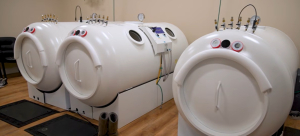
At HBOTUSA, education focuses on helping patients and practitioners understand how hyperbaric oxygen therapy works, how to use it safely, and how to build realistic long-term strategies around care. While some people may complete a short HBOT protocol and stop, others may benefit from occasional maintenance sessions or longer-term support, depending on their situation.
Hyperbaric oxygen therapy is not a one-size-fits-all approach. The number of sessions, frequency of use, and long-term strategy can vary dramatically from person to person. Understanding the different categories of conditions HBOT is used for can help explain why management timelines look different for everyone.
Hyperbaric oxygen therapy works by increasing the amount of oxygen delivered throughout the body under increased atmospheric pressure. Researchers continue studying how this process may support circulation, cellular energy production, inflammation regulation, neurological function, and tissue health.
Because people use HBOT for different reasons, there is no universal recommendation for how long someone should continue managing.
For example, someone recovering from a concussion may have very different needs compared to someone managing chronic inflammation or a progressive neurological condition.
The real question is not simply “How many sessions should I do?” but rather:
These factors play a major role in determining whether HBOT is temporary, periodic, or ongoing.
One category where HBOT timelines may be more straightforward involves acute injuries or conditions with a specific event and recovery process.
Examples include:
In these situations, there is often a clear starting point and a more defined recovery timeline.
When the body experiences an injury, inflammation, oxidative stress, and metabolic dysfunction may occur in the affected tissues. Hyperbaric oxygen therapy is commonly explored as a supportive strategy during the recovery phase because oxygen plays a major role in cellular function and tissue metabolism.
For individuals recovering from a concussion or traumatic brain injury, HBOT may be incorporated into a broader rehabilitation plan aimed at supporting neurological function and cognitive performance.
Once the body stabilizes and symptoms improve, some individuals may no longer feel the need for ongoing sessions.
This does not necessarily mean HBOT “fixed” the issue permanently. Instead, it means the body may have moved beyond the acute phase and regained enough function that continued therapy is no longer necessary.
Some people still choose occasional maintenance sessions after completing an initial protocol. This may depend on lifestyle, stress levels, athletic performance goals, or lingering symptoms.
Others may stop entirely and only return if symptoms flare up again in the future.
The important point is that acute conditions often have a more defined endpoint compared to chronic health challenges.
Chronic conditions are a very different conversation.
Examples may include:
In these cases, there may not be a clear “finish line.”
The body may continue experiencing ongoing stressors, immune dysregulation, inflammation, or mitochondrial dysfunction even after symptoms improve.
If the root cause driving dysfunction remains active, symptoms may gradually return once HBOT sessions stop completely.
For example, someone dealing with chronic inflammation due to poor sleep, high stress, environmental exposures, or autoimmune dysfunction may continue experiencing biological stress even after an initial HBOT protocol.
Hyperbaric oxygen therapy may support better function and symptom improvement, but if the underlying drivers are still present, the body may eventually require additional support.
This is why many individuals with chronic conditions transition into a maintenance rhythm instead of stopping altogether.
Maintenance schedules vary widely depending on the person and their goals.
Some people may do:
The goal is often to maintain progress rather than repeatedly starting from scratch.
This approach is similar to many wellness strategies people already use consistently, such as exercise, healthy eating, sleep optimization, or stress management. The body often responds best to long-term supportive habits rather than short bursts of intervention followed by neglect.
Another growing category of HBOT use involves individuals who are not necessarily dealing with a diagnosed condition but are instead focused on optimizing recovery, energy production, cognitive performance, or overall wellness.
This often relates to concerns involving:
Mitochondria are the structures inside cells responsible for producing energy. When mitochondrial function becomes impaired, people may experience low energy, poor recovery, cognitive difficulties, and reduced resilience.
Factors that may contribute to mitochondrial dysfunction include:
Because oxygen is central to cellular energy production, HBOT is increasingly being explored for its potential influence on mitochondrial function and metabolic efficiency.
This depends largely on whether the lifestyle factors contributing to dysfunction have changed.
If someone improves sleep, nutrition, stress management, movement habits, and recovery strategies alongside HBOT, they may maintain benefits longer after stopping sessions.
However, if the original stressors remain unchanged, symptoms may gradually return over time.
This is why identifying and addressing root causes is so important.
HBOT may support the body’s function, but long-term outcomes are often influenced by daily habits and ongoing physiological stressors.
One of the most practical aspects of long-term HBOT planning is finding the right rhythm for ongoing care.
After completing an initial intensive protocol, many people shift into a maintenance phase tailored to their individual needs.
The right schedule depends on factors such as:
There is no universal formula that works for everyone.
Many practitioners encourage patients to monitor how they feel after reducing session frequency.
Questions to consider include:
These observations may help guide decisions about whether occasional maintenance sessions are beneficial.
Perhaps the most important concept discussed in long-term HBOT planning is root cause identification.
If the underlying drivers of dysfunction are not addressed, the body may continue struggling regardless of the therapy being used.
For example:
HBOT may support the body’s adaptive capacity, but identifying why dysfunction exists in the first place often determines long-term outcomes.
The most successful long-term strategies often combine HBOT with broader wellness practices such as:
Hyperbaric oxygen therapy is often most effective when viewed as part of a comprehensive plan rather than an isolated solution.
One reason people become frustrated with therapies is unrealistic expectations.
Some individuals assume HBOT should provide permanent changes after only a few sessions, while others worry they will need management forever.
The reality usually falls somewhere in between.
For acute conditions, there may be a relatively short protocol followed by little or no ongoing use.
For chronic conditions, maintenance support may make more sense.
For wellness optimization, individuals may choose periodic sessions based on lifestyle demands and personal goals.
Understanding this distinction can help patients and practitioners create more realistic long-term plans.
It is important to remember that hyperbaric oxygen therapy is designed to support physiological function by improving oxygen availability under pressure.
Researchers continue exploring how HBOT may influence:
However, responses vary from person to person, and outcomes depend on many biological and lifestyle variables.
This is why individualized planning matters so much.
As interest in hyperbaric oxygen therapy grows, education becomes increasingly important for both patients and practitioners.
Understanding pressure, protocols, chamber safety, contraindications, and management strategies can help people use HBOT more effectively and responsibly.
For those who are new to hyperbaric oxygen therapy, the Basic HBOT Course provides foundational education covering how to use HBOT safely and effectively.
Practitioners looking to integrate hyperbaric chambers into their clinics can also explore additional educational resources and certification opportunities through The HBOT Course.
So, do you have to keep doing HBOT forever?
The answer depends on why you are using it, what your goals are, and whether the underlying causes of dysfunction have been addressed.
For acute injuries and temporary conditions, HBOT may involve a more limited protocol with little ongoing need afterward.
For chronic conditions or persistent physiological stress, maintenance sessions may become part of a longer-term strategy.
For general wellness and performance support, some individuals choose periodic HBOT sessions as part of their overall recovery and health routine.
Ultimately, hyperbaric oxygen therapy is not about chasing endless management. It is about understanding the body, supporting function, and creating a strategy that aligns with each person’s unique situation and goals.
Our professional staff is here to answer any questions or concerns you may have. Call: 833-620-8100
Mon-Fri: 9am-7pm
Sat: 9am-2pm
17 Hanover Rd #300
Florham Park, NJ 07932
833-620-8100
support@hbotusa.com

 Boost Stem Cell Therapy Results With Hyperbaric Oxygen Therapy