HBOT Terms Every Practitioner Needs to Understand
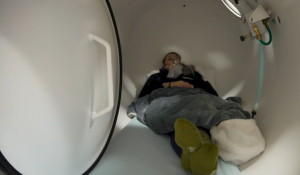

If you’re new to hyperbaric oxygen therapy or looking to expand your professional knowledge, understanding the language of the industry is one of the most valuable steps you can take. At HBOT USA, education is a priority because clear communication leads to better patient experiences, improved operational efficiency, and safer hyperbaric practices. Whether you’re a practitioner, technician, clinic owner, or someone planning to open a hyperbaric practice, learning the essential terminology will help you confidently discuss hyperbaric oxygen therapy with patients and fellow professionals.
Hyperbaric oxygen therapy (HBOT) combines specialized equipment, pressure science, oxygen physiology, and established safety protocols. While it may seem complex at first, becoming familiar with common HBOT terms makes everything easier to understand. This guide explains many of the key concepts every practitioner should know.
Every profession has its own language, and hyperbaric medicine is no exception.
Knowing the proper terminology helps practitioners:
Even experienced healthcare providers entering the HBOT field often need time to become comfortable with these unique concepts.
Hyperbaric oxygen therapy involves breathing oxygen inside a specially designed chamber where atmospheric pressure is increased above normal sea level pressure.
The increased pressure allows oxygen to dissolve more efficiently throughout the body compared to breathing oxygen under normal atmospheric conditions.
Because pressure plays such a significant role, many HBOT terms revolve around measuring and understanding pressure.
One of the most important concepts in hyperbaric oxygen therapy is atmospheric pressure.
At sea level, every person experiences approximately one atmosphere of pressure. This pressure comes from the weight of the air surrounding the Earth.
When someone enters a hyperbaric chamber, the pressure inside the chamber increases beyond normal atmospheric pressure. Various measurement systems are used to describe these pressure levels.
Understanding these measurements helps practitioners communicate consistently regardless of which chamber they use.
ATA stands for Atmospheres Absolute.
This is one of the most commonly used measurements in hyperbaric medicine.
An ATA value includes normal atmospheric pressure plus any additional pressure inside the chamber.
For example:
Many research studies and educational resources reference chamber pressure using ATA, making it an essential term for every practitioner.
PSI stands for Pounds Per Square Inch.
This unit measures pressure in many industries, including engineering, construction, automotive work, and hyperbaric technology.
Although medical professionals often prefer ATA, many chamber manufacturers display pressure in PSI.
Knowing how to interpret PSI helps practitioners understand equipment specifications and communicate with technicians and chamber manufacturers.
Another common pressure measurement is Feet of Sea Water (FSW).
This measurement originated from diving medicine.
Rather than describing pressure directly, FSW represents the pressure experienced at a specific underwater depth.
Although modern hyperbaric clinics often communicate using ATA, many educational resources, military references, and diving materials still use FSW.
Being familiar with this terminology allows practitioners to understand a broader range of HBOT literature.
Different manufacturers and educational resources may use ATA, PSI, or FSW.
Fortunately, simple conversion equations allow practitioners to move between these measurement systems.
Subtract 1 from the ATA value, then multiply by 14.7.
Subtract 1 from the ATA value, then multiply by 33.
Divide PSI by 14.7, then add 1.
Divide PSI by 0.445.
Divide FSW by 33, then add 1.
Multiply FSW by 0.445.
Understanding these conversions allows practitioners to compare chamber settings regardless of the measurement system being used.
Pressurization refers to increasing the chamber’s internal pressure.
This process is carefully controlled to provide a comfortable experience for the individual inside the chamber.
The rate of pressurization is important because rapid pressure changes may create discomfort, particularly in the ears and sinuses.
Practitioners monitor this process closely while communicating with patients throughout the session.
Depressurization is the controlled return to normal atmospheric pressure after a session.
Like pressurization, this process occurs gradually.
A slow and controlled decompression helps maintain comfort and follows established operational protocols.
Both beginning and ending a session require careful attention from trained staff.
A monoplace chamber is designed for one individual at a time.
These chambers are commonly used in many clinical settings and often feature a clear acrylic design that allows patients to remain visible throughout the session.
Monoplace chambers are popular because they offer straightforward operation while maintaining excellent patient observation.
Multiplace chambers are significantly larger.
These chambers can accommodate multiple individuals simultaneously and are typically staffed by trained personnel inside the chamber during operation.
Large hospitals and specialized hyperbaric centers frequently use multiplace chambers for their expanded capacity.
Compression refers to increasing chamber pressure.
Decompression refers to lowering chamber pressure.
These two phases are fundamental components of every hyperbaric session.
Understanding the timing, communication, and operational procedures associated with both stages contributes to a safe and consistent patient experience.
Different hyperbaric chambers provide oxygen in different ways.
Some chambers are filled with oxygen, while others use compressed air with oxygen delivered through masks or hoods.
Understanding the chamber’s oxygen delivery system is important because operational procedures vary depending on equipment design.
Every practitioner should become thoroughly familiar with the specific chamber models used within their practice.
Safety is one of the defining principles of hyperbaric oxygen therapy.
Practitioners should understand:
Ongoing education helps staff remain confident and prepared.
Practices should also perform routine inspections and maintain documentation for equipment and operational standards.
A practical way to stay organized is by using a comprehensive hyperbaric clinic safety checklist.
Many individuals entering a hyperbaric chamber are unfamiliar with the experience.
Patients often ask questions such as:
When practitioners understand HBOT terminology, they can explain these concepts clearly using language patients can easily understand.
Clear communication often helps create a more comfortable experience throughout the session.
Hyperbaric medicine continues to evolve as new research, technologies, and educational opportunities become available.
Successful practitioners make continuing education part of their professional development.
Educational resources may include:
Remaining informed allows practitioners to stay current with best practices and industry developments.
If you’re interested in expanding your HBOT knowledge, several educational resources can help you continue learning.
For beginners, introductory HBOT courses provide foundational knowledge covering chamber operation, terminology, patient communication, and safety procedures.
More advanced practitioners may benefit from comprehensive certification programs and textbooks that explore hyperbaric medicine in greater depth.
Practice owners can also find educational materials focused on integrating hyperbaric chambers into existing healthcare practices while improving operational efficiency.
Learning hyperbaric terminology is one of the first milestones in becoming a confident HBOT practitioner.
Terms like ATA, PSI, FSW, compression, decompression, monoplace, and multiplace chambers form the foundation of everyday communication within the hyperbaric community.
As practitioners become more comfortable with these concepts, reading research, understanding chamber specifications, and discussing procedures with colleagues becomes much easier.
Whether you’re just beginning your HBOT journey or expanding an existing practice, investing time in understanding the language of hyperbaric oxygen therapy creates a stronger foundation for professional growth.
Before operating any hyperbaric facility, always prioritize education, proper training, established safety procedures, and ongoing learning. A knowledgeable team supports clear communication, efficient operations, and a positive experience for every individual who enters the chamber.
The information provided in this article is intended for educational purposes only and should not be considered medical advice. Hyperbaric oxygen therapy should always be performed under the guidance of qualified professionals following established clinical protocols. Individuals with questions about their personal health should consult their healthcare provider before making decisions regarding their care.

 Can Hyperbaric Oxygen Therapy Help Kids With Autism?