Patient Stories: Real-Life Experiences with HBOT
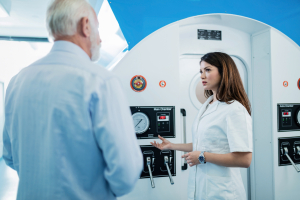

Discover the transformative power of hyperbaric oxygen therapy (HBOT) at HBOT USA. This innovative approach has revolutionized health and recovery for countless individuals. While research underscores its benefits, nothing illustrates its impact more compellingly than the personal stories of patients who have experienced life-changing results. From addressing the hurdles of chronic conditions to speeding up recovery from injuries, these real-life accounts showcase the remarkable potential of HBOT.
For many individuals, chronic fatigue syndrome (CFS) becomes a debilitating part of daily life. Anna, a 35-year-old teacher, battled with constant exhaustion that left her unable to enjoy her profession or spend quality time with her family. Traditional approaches to managing her condition provided little relief, and Anna felt trapped in a cycle of exhaustion.
After a friend recommended HBOT, Anna decided to explore the therapy. Within a few sessions, she began noticing subtle improvements, such as waking up with more energy and less brain fog. Over several weeks, she reported a significant transformation, with her energy levels rebounding to a point where she could resume her hobbies and regain control of her life. Her story exemplifies how HBOT can help individuals break free from chronic fatigue .
Surgical procedures, especially major ones, often involve extended recovery periods. Michael, a 58-year-old engineer, underwent knee replacement surgery following years of chronic pain. While the surgery was successful, Michael found the recovery process slow and frustrating. Physical therapy helped, but he still struggled with swelling and stiffness.
His physical therapist recommended adding HBOT to his recovery regimen. Michael was initially skeptical but gave it a try. Within two weeks, he noticed reduced swelling and improved mobility. By the end of his HBOT sessions, his progress had accelerated, allowing him to return to his active lifestyle ahead of schedule. Michael’s experience highlights the role of HBOT in supporting faster post-surgical recovery .
For individuals with neurological conditions, such as traumatic brain injuries or strokes, regaining function can be a long and arduous process. Sarah, a 42-year-old writer, suffered a stroke that left her with difficulty speaking and limited mobility on her right side. Traditional rehabilitation offered some progress, but Sarah wanted to explore additional options to improve her recovery outcomes.
After learning about HBOT, Sarah integrated it into her rehabilitation plan. The therapy provided her brain with increased oxygen, which supported neuroplasticity—the brain’s ability to reorganize and form new connections. Over the course of several months, Sarah regained significant function, enabling her to return to her passion for writing. Her determination, combined with HBOT, exemplifies how this therapy can complement traditional approaches to neurological recovery .
Living with Lyme disease can be an overwhelming challenge due to its wide-ranging symptoms, such as fatigue, joint pain, and cognitive difficulties. For David, a 29-year-old outdoor enthusiast, Lyme disease left him feeling like a shadow of his former self. After exploring multiple therapies without much success, David turned to HBOT.
Within weeks, David experienced improvements in his energy and mental clarity. By the end of his therapy, his joint discomfort had significantly decreased, allowing him to return to hiking and biking—activities he once thought were beyond his reach. David’s story underscores the potential of HBOT to enhance quality of life for those dealing with complex conditions like Lyme disease .
Athletes often push their bodies to the limit, making recovery essential to avoid injuries and maintain peak performance. Emma, a professional marathon runner, experienced persistent muscle soreness and fatigue that hampered her training schedule. Seeking an edge in her recovery process, Emma added HBOT to her routine.
HBOT sessions provided Emma with a noticeable boost in recovery time, reducing muscle soreness and inflammation. As a result, she was able to train harder and improve her race times. Emma’s experience demonstrates how HBOT can benefit not only those recovering from injuries but also individuals striving for optimal physical performance .
For individuals with slow-healing wounds, such as diabetic ulcers or surgical incisions, HBOT offers a promising avenue for faster recovery. Maria, a 64-year-old retiree, struggled with a persistent foot ulcer due to her diabetes. Despite diligent wound care, the healing process was slow, and her doctor recommended exploring HBOT.
After completing her HBOT sessions, Maria observed significant progress, with her ulcer healing more quickly than expected. The therapy’s ability to enhance oxygen delivery to tissues proved invaluable in her recovery journey, providing Maria with renewed confidence in managing her condition .
HBOT has also gained attention for its potential benefits in supporting individuals with autism spectrum disorder (ASD). Ethan, an 8-year-old boy, faced challenges with sensory processing and communication. His parents sought a range of interventions, including speech therapy and occupational therapy, to help him thrive.
After researching complementary therapies, they decided to try HBOT. Over several weeks, Ethan’s parents noticed subtle changes, such as improved focus and reduced sensory sensitivities. While every individual’s experience is unique, Ethan’s journey reflects the potential of HBOT to contribute to holistic support for individuals with ASD .
The transformative stories of individuals like Anna, Michael, Sarah, David, Emma, Maria, and Ethan offer compelling insights into the real-world impact of HBOT. Their experiences not only highlight the therapy’s versatility but also serve as a testament to its potential to improve lives across a range of conditions and challenges. As awareness of HBOT continues to grow, more people may find hope and healing through this innovative therapy.
For more information about HBOT, call 833-620-8100 or find an Oxygen therapy clinic near you.
Citations:

 How Hyperbaric Oxygen Therapy Improves Skin Health