The Benefits of Hyperbaric Oxygen Therapy (HBOT)
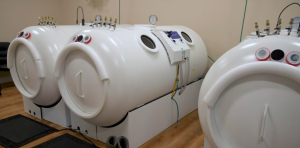

If you are exploring ways to support overall wellness, recovery, and optimal body function, hyperbaric oxygen therapy (HBOT) has likely come up in your research. At HBOT USA, education and proper implementation of hyperbaric oxygen therapy are at the forefront of helping both patients and practitioners better understand this innovative approach. HBOT has gained significant attention in recent years because of its unique ability to increase oxygen delivery throughout the body in ways that traditional oxygen therapies cannot replicate.
Understanding the benefits of hyperbaric oxygen therapy begins with understanding what makes it different. While oxygen has always been essential for human life, HBOT uses a combination of increased atmospheric pressure and oxygen delivery to create physiological effects that extend far beyond simply breathing oxygen through a mask or nasal cannula.
Hyperbaric oxygen therapy is the process of breathing air or oxygen inside a specially designed hyperbaric chamber where atmospheric pressure is temporarily increased above normal levels.
Most people spend their lives breathing oxygen at standard atmospheric pressure. Under these conditions, oxygen is primarily transported through the bloodstream by red blood cells. While this system works effectively for everyday life, there are limitations to how much oxygen can be delivered throughout the body under normal pressure conditions.
HBOT changes this equation.
By increasing pressure inside the chamber, oxygen becomes more soluble within bodily fluids, allowing significantly greater amounts of oxygen to reach tissues throughout the body. This increased oxygen availability is what makes hyperbaric oxygen therapy so unique.
The pressure component is the critical factor. Without increased pressure, other oxygen delivery methods simply cannot achieve the same physiological effects.
When discussing the benefits of hyperbaric oxygen therapy, pressure is often the most overlooked aspect.
Many people assume that HBOT is simply about breathing more oxygen. While oxygen concentration certainly plays a role, the increased atmospheric pressure is what allows oxygen to penetrate deeper into tissues and become available in areas that may not receive optimal oxygenation under normal circumstances.
Think of pressure as the mechanism that unlocks oxygen’s potential.
As pressure increases, oxygen dissolves more effectively into plasma and other body fluids. This allows oxygen to reach areas that might otherwise receive limited oxygen delivery.
This unique combination of pressure and oxygen creates a range of physiological responses that can support the body’s natural processes.
According to the science behind hyperbaric oxygen therapy, the body’s response to HBOT can generally be organized into four primary categories:
The first category involves mechanical changes that occur because of pressure.
As pressure changes inside the chamber, physical forces are applied throughout the body. These mechanical effects can influence fluid movement and tissue dynamics.
Pressure itself becomes a therapeutic tool, creating physiological responses that cannot be reproduced through oxygen therapy alone.
Mechanical effects are among the reasons why HBOT stands apart from conventional oxygen supplementation.
The immune system relies heavily on oxygen to perform many of its normal functions.
When oxygen availability increases, immune-related processes may operate more efficiently. Research continues to explore how enhanced oxygen delivery influences various aspects of immune regulation and balance.
One reason HBOT has attracted attention among healthcare professionals is its ability to create an environment that supports normal immune system function.
Maintaining proper immune balance is essential for overall health, and oxygen plays an important role in that process.
Every cell in the body depends on oxygen to generate energy.
Mitochondria, often referred to as the powerhouses of the cell, require oxygen to produce ATP, the body’s primary energy currency.
When oxygen availability increases through hyperbaric oxygen therapy, metabolic processes can be supported more effectively.
Improved oxygen delivery may help optimize cellular energy production, allowing tissues and organs to function more efficiently.
Because metabolism influences virtually every aspect of human physiology, this category of HBOT benefits has widespread implications.
The final category involves regenerative processes.
The body continuously repairs and renews itself through complex biological mechanisms. Oxygen serves as a fundamental resource for many of these activities.
By significantly increasing oxygen availability, HBOT can support the body’s natural regenerative functions.
Researchers continue to investigate how hyperbaric oxygen therapy influences cellular signaling, tissue maintenance, and other processes involved in recovery and renewal.
These regenerative effects are among the most exciting areas of ongoing HBOT research.
One of the most significant benefits of hyperbaric oxygen therapy is enhanced oxygen delivery.
Oxygen is essential for virtually every biological process. From brain function and cardiovascular performance to cellular energy production and tissue maintenance, adequate oxygen availability is critical.
Under normal conditions, certain tissues may experience varying levels of oxygen supply due to circulation patterns, activity levels, or environmental factors.
HBOT dramatically increases oxygen availability throughout the body, helping ensure that cells have access to one of their most important resources.
This enhanced oxygen delivery forms the foundation for many of the physiological changes observed during and after hyperbaric sessions.
Athletes, wellness enthusiasts, and individuals focused on recovery often explore HBOT because of its potential to support the body’s natural recovery processes.
Physical activity creates stress on muscles, connective tissues, and energy systems. Recovery is the period during which the body adapts and restores balance.
Oxygen plays an important role during this process.
By increasing oxygen availability, HBOT may support the body’s ability to manage the demands associated with physical activity and recovery.
This has contributed to growing interest in hyperbaric oxygen therapy within sports performance and wellness communities.
Inflammation is a natural part of the body’s response to stress and challenge.
However, maintaining appropriate inflammatory balance is important for overall wellness.
One of the commonly discussed benefits of hyperbaric oxygen therapy is its ability to support healthy inflammatory regulation.
Through its influence on oxygen delivery, cellular signaling, and physiological balance, HBOT may help the body maintain normal inflammatory responses.
Because inflammation touches nearly every aspect of health, this area continues to be a significant focus of HBOT research and education.
Cells rely on oxygen to perform countless tasks every second of every day.
Without adequate oxygen, cellular efficiency may be compromised.
Hyperbaric oxygen therapy helps create an environment where oxygen is more readily available to tissues throughout the body.
This increased availability supports cellular respiration, energy production, communication pathways, and other fundamental biological functions.
When cells function efficiently, the entire body benefits.
A common misconception is that all oxygen therapies provide similar results.
The reality is that hyperbaric oxygen therapy operates through a completely different mechanism.
Traditional oxygen delivery methods increase oxygen concentration but do not significantly alter atmospheric pressure.
HBOT combines both oxygen and pressure.
This combination creates physiological effects that cannot be replicated through oxygen masks, nasal cannulas, or other conventional oxygen delivery systems.
The increased pressure allows oxygen to dissolve into bodily fluids at levels that would otherwise be impossible under normal atmospheric conditions.
That distinction is what makes HBOT unique.
Healthcare practitioners across a variety of disciplines have become increasingly interested in understanding hyperbaric oxygen therapy.
As awareness grows, more professionals are seeking education on how HBOT works, appropriate safety considerations, and the science behind its mechanisms.
Proper training is essential because HBOT involves specialized equipment, protocols, and patient considerations.
For practitioners interested in learning more, certification programs and educational resources provide opportunities to develop a deeper understanding of hyperbaric medicine and oxygen-based therapies.
Education helps ensure that HBOT is implemented safely and effectively while maintaining realistic expectations about its capabilities.
Individuals considering hyperbaric oxygen therapy should understand that HBOT is not a cure for any specific condition.
Instead, it is a modality that increases oxygen availability and supports physiological processes that depend on oxygen.
The body’s response to HBOT can vary depending on individual circumstances, overall health status, management goals, and protocol design.
Working with qualified providers is important for determining whether hyperbaric oxygen therapy is appropriate for a particular situation.
Patients should also maintain open communication with their healthcare providers regarding medications, medical history, and any ongoing management.
A comprehensive approach helps ensure the best possible experience.
Interest in hyperbaric oxygen therapy continues to expand as researchers explore its mechanisms and applications.
Advances in technology, growing scientific literature, and increased educational opportunities are helping both practitioners and patients better understand the role of oxygen and pressure in human physiology.
As knowledge continues to evolve, HBOT is becoming an increasingly important topic within discussions about wellness, recovery, performance, and physiological optimization.
The combination of enhanced oxygen delivery and increased atmospheric pressure creates a unique environment that supports multiple systems throughout the body.
The benefits of hyperbaric oxygen therapy stem from a simple but powerful principle: increasing oxygen availability through pressure.
Unlike traditional oxygen therapies, HBOT uses elevated atmospheric pressure to drive oxygen deeper into tissues and bodily fluids, creating physiological effects that support mechanical, immunological, metabolic, and regenerative processes.
From supporting cellular energy production and healthy immune function to promoting recovery and overall physiological balance, hyperbaric oxygen therapy offers a fascinating approach to optimizing oxygen utilization throughout the body.
Whether you are a patient seeking to better understand HBOT or a practitioner looking to expand your knowledge, education remains the key to using hyperbaric oxygen therapy safely, properly, and effectively. As research continues to grow, HBOT will likely remain an important area of interest for those seeking to understand how oxygen and pressure can influence human health and performance.

 How Many HBOT Sessions For Overall Health And Wellness?