Why Autoimmune Patients Are Turning To Hyperbaric Oxygen Therapy

Living with an autoimmune condition can feel overwhelming. Many autoimmune patients spend years searching for answers while dealing with fatigue, chronic inflammation, brain fog, pain, digestive issues, and unpredictable flare-ups. While medications such as steroids and biologics are often part of conventional care plans, many individuals are also looking for additional strategies that may help support the body and improve overall function.
At HBOTUSA, practitioners and patients can learn how hyperbaric oxygen therapy works, how to use it safely, and why it is becoming an increasingly discussed tool in wellness and recovery strategies for autoimmune conditions. Researchers and clinicians continue exploring how HBOT may support inflammatory balance, tissue oxygenation, nervous system regulation, and cellular function in individuals dealing with chronic inflammatory challenges.
Autoimmune disease is complex, and there is no single solution that works for everyone. However, growing interest in hyperbaric oxygen therapy reflects a larger shift toward understanding how oxygen, inflammation, metabolism, and nervous system health all influence autoimmune function.
Autoimmune conditions occur when the immune system mistakenly targets the body’s own healthy tissues and cells. Instead of protecting the body from harmful invaders, the immune system becomes dysregulated and creates chronic inflammatory activity.
There are many different autoimmune conditions, including:
Although symptoms vary depending on the condition, many autoimmune patients experience common challenges such as:
What makes autoimmune conditions particularly difficult is that inflammation can persist for years, gradually affecting multiple body systems over time.
Inflammation is a normal part of the body’s defense and repair systems. Short-term inflammation helps protect tissues and support recovery after injury or infection.
The problem occurs when inflammation becomes chronic.
In autoimmune conditions, the immune system may remain activated continuously, creating ongoing inflammatory stress throughout the body. Over time, this may influence:
This is one reason many autoimmune patients begin exploring strategies aimed at supporting inflammation balance and overall physiological resilience.
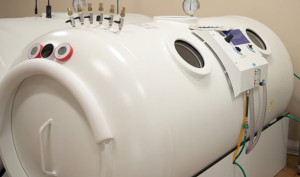
Hyperbaric oxygen therapy involves breathing oxygen inside a pressurized chamber. Under increased atmospheric pressure, oxygen dissolves more efficiently into the bloodstream and tissues.
Researchers continue studying how HBOT may influence:
Because autoimmune conditions often involve inflammation, metabolic dysfunction, and tissue stress, hyperbaric oxygen therapy is receiving increased attention as part of integrative care strategies.
Many autoimmune patients feel frustrated by approaches that only focus on symptom suppression while overlooking broader physiological dysfunction.
HBOT is being explored because it may help support several systems involved in autoimmune health, including inflammation regulation, oxygen utilization, nervous system balance, and cellular energy production.
In the video, four major mechanisms are discussed that help explain why hyperbaric oxygen therapy is gaining attention among autoimmune patients and practitioners.
One of the most important reasons autoimmune patients explore HBOT is its potential relationship with inflammatory pathways.
Chronic inflammation can place enormous stress on tissues and organs over time. Researchers continue studying how hyperbaric oxygen therapy may influence inflammatory signaling and oxidative stress responses within the body.
HBOT may help create conditions that support healthier inflammatory regulation by improving oxygen availability and influencing cellular communication pathways.
This does not mean HBOT eliminates autoimmune disease. Instead, researchers are interested in whether improved oxygenation and metabolic support may help the body function more efficiently under chronic inflammatory stress.
Inflamed tissues often experience reduced oxygen availability. Poor oxygen delivery may contribute to cellular dysfunction and inefficient recovery processes.
By increasing dissolved oxygen levels in plasma, HBOT may help improve tissue oxygenation even in areas with compromised circulation or inflammation.
Better oxygen availability may support healthier tissue function and metabolic activity.
Fatigue is one of the most common complaints among autoimmune patients.
Many individuals describe feeling exhausted even after resting, and some struggle with low energy levels that interfere with work, exercise, relationships, and daily activities.
Researchers increasingly recognize the role mitochondria may play in autoimmune-related fatigue.
Mitochondria are the energy-producing structures inside cells. They rely heavily on oxygen to generate energy efficiently.
When mitochondrial function becomes impaired, people may experience:
Chronic inflammation and oxidative stress may place significant strain on mitochondrial function over time.
Because HBOT increases oxygen availability throughout the body, researchers are exploring whether it may help support mitochondrial efficiency and cellular energy production.
For autoimmune patients dealing with persistent fatigue, this area of research is especially important.
The nervous system plays a major role in autoimmune health.
Many autoimmune patients live in a constant state of physiological stress. Chronic inflammation, pain, sleep disruption, and emotional stress may all contribute to nervous system dysregulation.
The autonomic nervous system has two primary branches:
In chronic illness, many people become stuck in sympathetic dominance. This may contribute to:
Researchers are exploring how HBOT may influence autonomic nervous system balance and support parasympathetic activity.
The body performs many of its repair and recovery processes during parasympathetic states.
When the nervous system remains chronically stressed, inflammatory activity may worsen, and recovery capacity may decline.
By supporting relaxation and physiological recovery processes, HBOT may become part of a broader strategy aimed at improving resilience and nervous system function.
Brain fog is another major issue for many autoimmune patients.
Individuals often report:
Inflammation, poor sleep, mitochondrial dysfunction, and nervous system stress may all contribute to cognitive symptoms.
Hyperbaric oxygen therapy is being studied for its effects on brain metabolism, circulation, and neuroplasticity.
Neuroplasticity refers to the brain’s ability to adapt, reorganize, and form new neural connections.
Researchers are investigating how oxygen availability and improved metabolic support may influence neurological performance and cognitive function.
For autoimmune patients struggling with mental fatigue and brain fog, these mechanisms are generating significant interest.
One of the most important points discussed in the video is that HBOT protocols for autoimmune patients must be individualized.
There is no single protocol that works for every condition or every person.
Several factors may influence protocol decisions, including:
Many practitioners working with autoimmune patients emphasize the importance of gradual introduction.
Some individuals with chronic illness may be highly sensitive to physiological changes, so protocols often need to be adjusted carefully.
The goal is to support adaptation without overwhelming the system.
Autoimmune conditions are often chronic, meaning many patients explore HBOT as part of a longer-term wellness approach rather than a short-term intervention.
Some individuals may complete an intensive phase followed by maintenance sessions based on their needs and response.
Others may integrate HBOT periodically during times of increased stress or flare-ups.
One of the most important concepts in autoimmune care is that no single therapy addresses every aspect of the condition.
Most successful strategies involve multiple layers of support.
HBOT is often explored alongside:
The goal is to create conditions that support the body’s overall function and resilience.
Many autoimmune patients eventually realize that symptom management alone may not be enough.
Understanding root causes often becomes a major focus.
Potential contributing factors may include:
HBOT may support the body’s physiology, but long-term progress often depends on addressing the broader factors contributing to immune system dysregulation.
As interest in hyperbaric oxygen therapy grows, education and safety become increasingly important.
HBOT should always be approached carefully and under appropriate professional guidance.
Proper use involves understanding:
For those new to hyperbaric oxygen therapy, the Basic HBOT Course provides education on how to use HBOT safely and effectively.
Practitioners interested in integrating hyperbaric chambers into their clinics can also access educational resources through The HBOT Course.
Autoimmune disease rates continue rising worldwide, and many individuals are looking for broader approaches that support the body beyond symptom suppression alone.
This growing interest in integrative care has increased attention on therapies that may influence:
Hyperbaric oxygen therapy is becoming part of these conversations because researchers continue to uncover connections between oxygen, inflammation, metabolism, and immune system function.
Autoimmune conditions are complex and often involve chronic inflammation, nervous system dysregulation, fatigue, mitochondrial dysfunction, and cognitive challenges.
Hyperbaric oxygen therapy is gaining attention among autoimmune patients and practitioners because of its potential role in supporting oxygen delivery, inflammatory balance, cellular metabolism, and neurological function.
While HBOT is not presented as a standalone solution or replacement for medical care, it may become part of a broader multi-therapeutic approach aimed at improving overall physiological resilience and quality of life.
As research continues evolving, more practitioners and patients are exploring how hyperbaric oxygen therapy may fit into long-term autoimmune wellness strategies focused on supporting the body as a whole.

 Who Should Take Antioxidants Before HBOT?